Land That Has Neither Beginning nor End
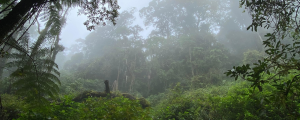
These woods, like mountains do, keep
legends alive. Skein of greens flecked
with ochre and brown permit my eye
The urge to explore and celebrate all the kinds of lives of Planet Earth is stronger than ever, but the environmental and ecological crisis demands we also lift our eyes, and our voices, to species extinction and habitat loss, to what is happening to the forests and hills, the rivers and seas, our streets and gardens. The writer’s instinct to pay attention has never been more vital. Literature can help us to see the natural world – and our place in it – differently.
Edited by Laura Fyfe and Chris Powici
Snowdrops materialise, as they always do, with a keek of surprise that Spring is finally on the horizon. This year, perhaps more than ever before, they have brought with them a much-needed sense of hope. The editors of Issue Seven have weathered this dreich auld winter by reading through flurries of submissions on the theme of Eden.
Reflecting on Eden, it seemed fitting to ask a poet who hails from the verdant, sunny, lushness of Jamaica to contribute a poem. Poet, author, Professor of English at Penn State, and Cheney Creative Fellow at the University of Leeds, Shara McCallum sent us ‘Land that has neither beginning nor end’. Her spellbinding poem moves us to reflect on important questions. What do we regret having lost? What do we aspire to create?
Eden, as an ideal, is redolent with the vulnerabilities of childhood: innocence, beauty – and absence of conflict. It provides for us not only an origin but a destination we long to return to. If it ever truly existed in the first place.
In such worrying times, it can be tempting to find refuge in the nostalgic, the imaginary and the fantastical. Reading the submissions for this edition of Paperboats has, however, become a lesson on grounding ourselves in the real. We’ve learned how writers thole the challenges of modern life: with full-hearted appreciation of the best of our past and our present: with reflections on what we hope to preserve, to save, to nurture.
Read on. Consider what we might each do to bring a little more Eden to our own tiny corners of this changing planet. With the inevitability of snowdrops, the future arises, moment upon moment.

These woods, like mountains do, keep
legends alive. Skein of greens flecked
with ochre and brown permit my eye
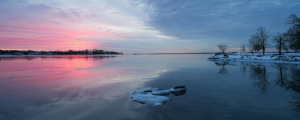
As they coast upriver with the flooding tide the smell of salt recedes. The river meanders over oyster beds, between bullrushes and water lilies.
It dawned on us at last,
the madness of our coming here:
how we’d deceived ourselves
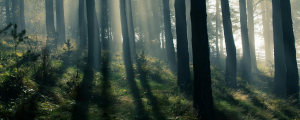
Aoife pushes past pine needles
To the wind-chilled flesh of her baby boy.
Calum, or Canaan, or Canine.
The weatherman wears a ‘don’t shoot the messenger’ expression while outside the animals are pairing up to board the SS President Erdogan
A lot of us were raised with the tradition that the holy land is somewhere else. Or in our searching have created our own version
A walking guide in one of these National Parks will tell his group more than 200 million trees were planted
The pinhole pupil of a lensless eye
stares south, where our star
clambers through branches
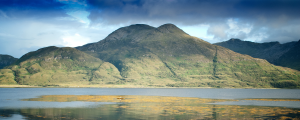
It cleaves itself along the edges, chorusing and phosphorescent. It comes from the dark. Piles of bladderwrack seaweed lines the road
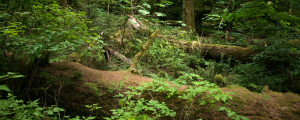
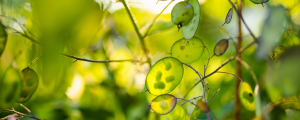
This is an urban beach, a string of beige sand that’s bounded by tarmac and a firth-sea. Groynes, large wooden breakers, run at right angles
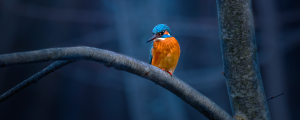
I wake to a Godzilla shriek. It’s 3 a.m.. Metal legs are clanking at the bedroom window.
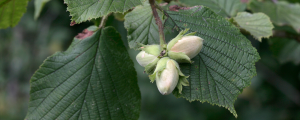
Taking breath in the hazel wood, we listen
as one of the many forms of silence approaches.
This particular flavour spreads dark peace
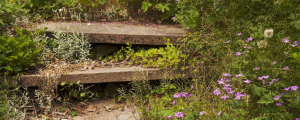
Between our fence and our neighbours fence…
twelve hidden inches of untamed no man’s land
a shady earthen paradise
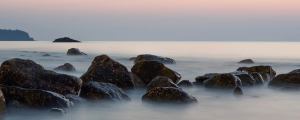
Shreds of cyan rock on optic nerves, and
Particles of sleep acted in my head.
Here was a new planet. A new Eden.